Picture a multi-location services business attacking a reputation problem through the standard playbook. Reputation management software monitors reviews across major platforms, automated requests prompt satisfied customers to leave positive reviews, and a response team replies to negative reviews within 24 hours. The Google rating inches up over twelve months. Leadership treats this as progress.
Look at the underlying drivers, and the negative reviews — the ones requiring response, the ones dragging the average — often cluster around a few specific issues: missed appointments, rescheduling friction, unclear pricing communicated late in the process. These aren’t unknown issues. The contact center has been handling them all year. They generate complaints, escalations, and eventually reviews — but the reviews are the final, public, indelible expression of what has been a private problem for months.
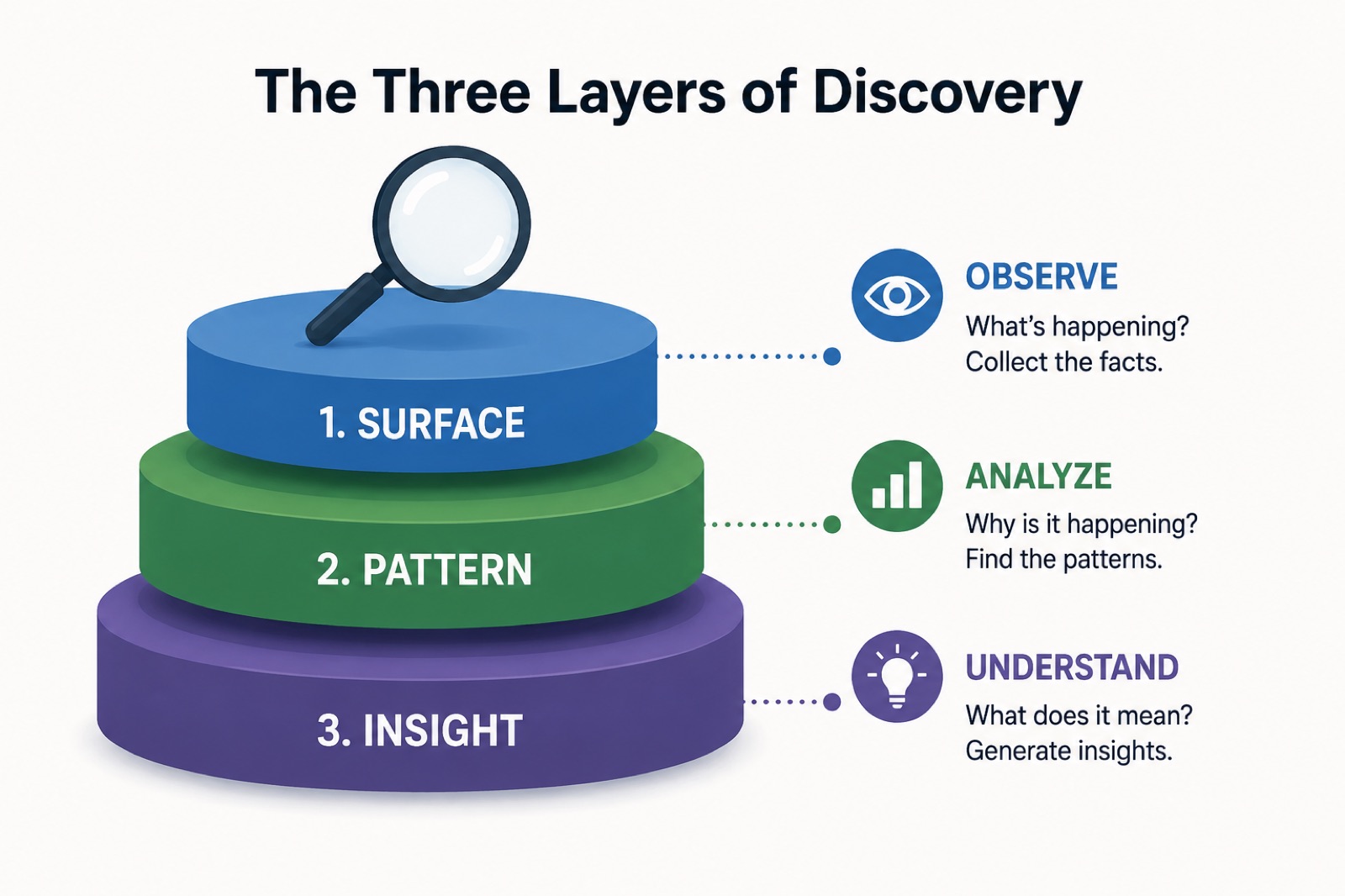
The reputation management program is working downstream of the actual reputation. The reviews are symptoms. The disease is further upstream, in the conversations that no one is treating as reputation-relevant.
What Reputation Actually Is
Online reputation, in the way most customers experience it, isn’t a function of what your past customers wrote. It’s a function of what your past customers’ experiences were like, expressed publicly through whichever channel that customer used.
This sounds obvious and isn’t. The implication is that reputation is built in the actual customer experience — most of which lives in interactions the customer never explicitly intended as “reputation events.” The phone call where they tried to reschedule, the chat where they asked about pricing, the email where they reported a problem. These produce the satisfaction or dissatisfaction that later expresses itself as a review.
Reputation management programs that focus on the review layer are operating at the end of a long causal chain. They can encourage positive reviews from satisfied customers, respond to negative reviews to soften their impact, and monitor sentiment trends in public data. None of this changes the underlying experience that produces reviews in the first place. The reviews keep coming, with the same distribution, because the experiences producing them haven’t changed.
Where Reputation Is Actually Built
The actual reputation-building moments cluster in a small number of high-stakes interactions:
The unexpected problem. Something has gone wrong from the customer’s perspective. The interaction that follows determines whether they’ll later describe the company as “great when something went wrong” or as “they really dropped the ball.” This is the highest-leverage reputation moment most companies don’t measure or coach for.
The pricing or contract surprise. A cost the customer didn’t expect. A clause that becomes relevant in a way they didn’t anticipate. The conversation where the company explains it is the conversation that determines whether the surprise becomes a review.
The recovery from poor service. Something has already gone wrong — a missed deadline, a quality issue, a billing error. The recovery conversation either restores the relationship or seals its negative trajectory. Recovery conversations are disproportionately predictive of reviews.
The end of relationship. The cancellation conversation. The churn conversation. How these are handled produces more reviews — positive and negative — than most customer experience teams realize.
Each of these is happening in your contact center. Almost none of them are being analyzed as reputation events. The reputation management program is reading the reviews these conversations eventually produce, six to twelve weeks later, when nothing can be done about them.
What Conversation-Driven Reputation Management Looks Like
A reputation program that takes the upstream view organizes around four motions.
Identify the high-stakes conversation types. Not every contact is reputation-relevant. The four categories above usually cover most of the variance. Flag these conversations specifically for closer attention.
Measure outcomes on those conversations specifically. Standard CSAT and FCR don’t capture reputation impact. A customer can be FCR-resolved and still produce a negative review because the experience of getting there was painful. Reputation-relevant measurement looks at perceived effort, perceived fairness, and perceived care.
Coach the conversations that produce reputation moments. Conversation analytics can identify which agents handle high-stakes interactions well and which don’t. The differences are coachable. Most reputation problems trace back to a small number of patterns in how difficult moments are handled.
Close the loop with the review layer. When negative reviews appear, trace them back to the originating conversations. The pattern reveals which call types and which conversation moments are producing the most reputation damage. This becomes the priority list for upstream intervention.
The Solicited Review Trap
A common shortcut in reputation management is to solicit reviews aggressively from customers identified as satisfied — through CSAT surveys, recent positive interactions, or NPS responses. This works in the short term: average ratings rise. It fails in the medium term because it doesn’t change the underlying experience producing the negative reviews. The dissatisfied customers continue to leave reviews unsolicited. The solicited positive reviews dilute their impact temporarily, but the trajectory of the underlying signal doesn’t change.
Worse, aggressive solicitation can produce its own reputation cost. Customers can tell when they’re being prompted asymmetrically — positive contact triggering review requests, negative contact triggering nothing. This perceived manipulation, once detected, becomes its own negative narrative.
The durable approach is to fix the experiences producing the reviews you don’t want, not to drown them in solicited reviews you do want.
Five Things You Can Do This Week
1. Trace 20 recent negative reviews back to the originating interaction. When did this customer first contact you about this issue? What happened in that conversation? The pattern will reveal the upstream source.
2. Identify the high-stakes conversation types in your business. Problem reports, pricing surprises, recovery conversations, cancellations. Estimate volume for each. These are your reputation-building moments.
3. Listen to 10 problem-reporting calls. How do agents handle the moment when the customer first expresses dissatisfaction? The variance between agents is usually large and entirely coachable.
4. Measure agent performance on recovery conversations specifically. Calls that follow a known prior issue with the customer. These predict reviews disproportionately and almost no QA program measures them as a category.
5. Stop optimizing the review layer alone. Continue monitoring and responding to reviews, but recognize that the underlying signal is what determines the long-term trajectory. The conversations producing the reviews are the actual reputation work.
A Google rating that inches up like that isn’t reputation improvement. It is the visible surface of an underlying experience that hasn’t changed, with a thicker layer of solicited positive reviews on top. Real reputation work happens further upstream, in conversations the customer never thought of as reputation events, six to twelve weeks before any review gets written. That’s where the reviews are being made, and that’s where the reputation actually lives.