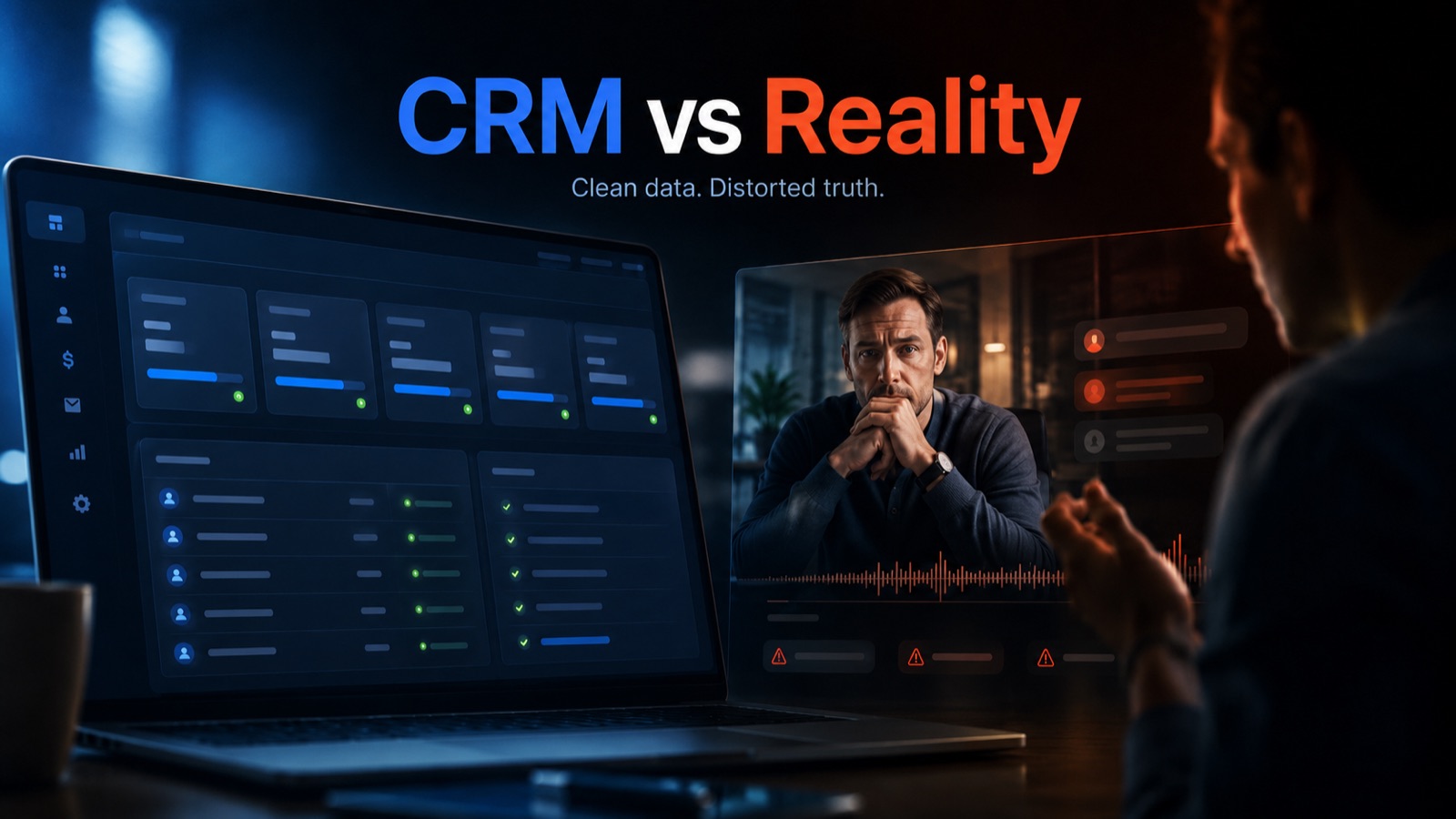
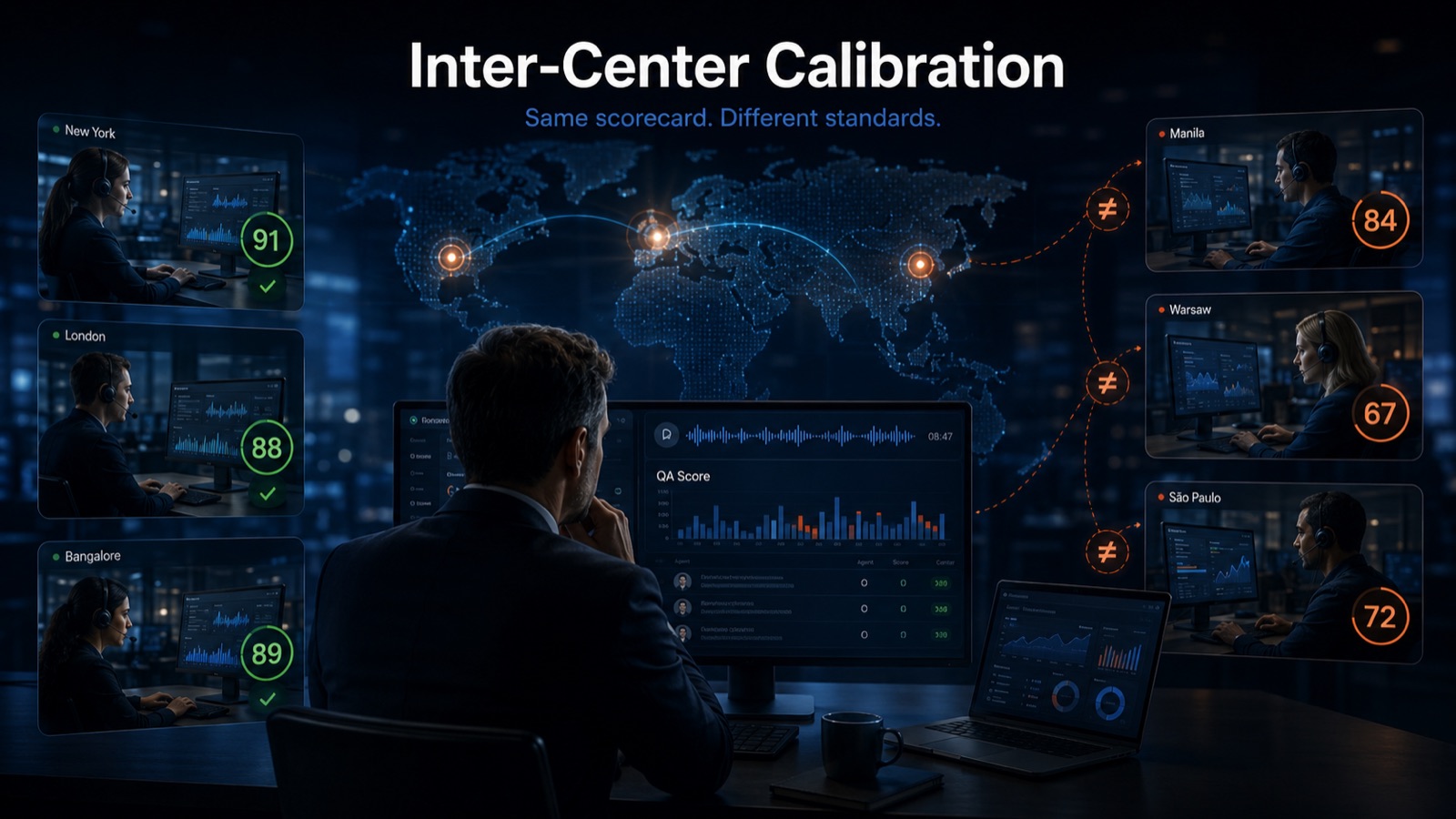
Healthcare call center best practices look different from a general support line, because almost every call can involve protected health information, a clinical question, or a patient who is anxious or in pain. The practices that work for a retail help desk — fast handle time, a tidy script — miss what matters most here: whether the required disclosure was actually said, whether the documentation would hold up if a regulator or a patient's attorney asked for it, and whether the agent handled a frightened caller the way your clinical and compliance leaders expect. The practices below hold up under both a QA review and a compliance audit.
Healthcare Call Center Best Practices at a Glance
- Document every call, not a sample of it.
- Make required disclosures provable, not assumed.
- Catch a complaint or risk signal while it is still one call.
- Coach every agent every week, not just the ones who get flagged.
- Make QA fast enough that clinical and compliance leaders actually use it.
- Keep the human moment where it matters.
Document every call, not a sample of it
Most contact centers still review quality from a manual sample: a reviewer listens to a handful of calls per agent per month and extrapolates from there. In a healthcare queue, that sample is also the only record anyone checked for what was actually said about a diagnosis, a price, or a consent. Across more than 50 deployments, Ender Turing customers average 100% of calls automatically scored, against a 3–5% manual baseline. The gap between those two numbers is the gap between "we are fairly sure" and "we can show you the call."
Make required disclosures provable, not assumed
Healthcare call centers run under HIPAA, which requires covered entities to safeguard the protected health information a patient shares on the call (official HIPAA rules, HHS) — not just to have a policy that says so. Compliance Rules let administrators define the exact phrases a call must contain, such as a regulatory disclosure, a consent statement, or a mandatory opening, and produce a per-call script-adherence score that can be highlighted in the transcript, filtered, and reported against. That turns "the agent is trained to say it" into "here is the call where they did."
Catch a complaint or risk signal while it is still one call
A patient who mentions a denied claim, a medication side effect, or "I want to speak to a lawyer" is giving you a signal that is cheap to act on today and expensive to discover later. Topics group conversations into reusable themes, using generative AI, filter-based rules, or human labeling, and feed straight into conversation filters, dashboards, charts, and funnels, so a risk theme shows up as a count on a chart instead of a memory one reviewer happens to have. The Conversations view lets a compliance lead pull every call that matches a theme, a script-adherence result, or a queue, with the transcript and recording attached.
Coach every agent every week, not just the ones who get flagged
Scheduled Chats can generate a separate EnderGPT report for every agent on a weekly schedule, built from that agent's own conversations: a coaching note per agent, every week, generated from calls that are still fresh rather than a once-a-quarter review that only reaches the agents who already got flagged. For a healthcare queue, where burnout and turnover compound fast, that timing matters as much as the content.
Make QA fast enough that clinical and compliance leaders actually use it
QA that takes two weeks to produce an answer does not get used by the people who need it fastest. OTP Bank, Dila Med Labs, and Fozzy Group report doing marketing analysis and NPS 20 times faster and 50 times cheaper with Ender Turing. The lever behind that gap is the same one above: every call tagged and scored automatically, with nothing waiting on a manual pass. See how this works for healthcare teams.
Keep the human moment where it matters
None of this replaces the person on the healthcare queue; it changes what they spend their time on. Ender takes the routine, repetitive part of QA — listening to every conversation and scoring it, typically in 95%+ agreement with the customer's own reviewers — so people focus on the most important and critical part: critical calls, disputes, calibration, and coaching. A frightened patient, a denied claim, a complaint that could become a complaint letter: those still need a person who has the context and the time, because the routine share of calls is no longer taking it from them.